Marketing
Google is testing Flipkart checkout inside AI Mode in India: what it means for D2C brands
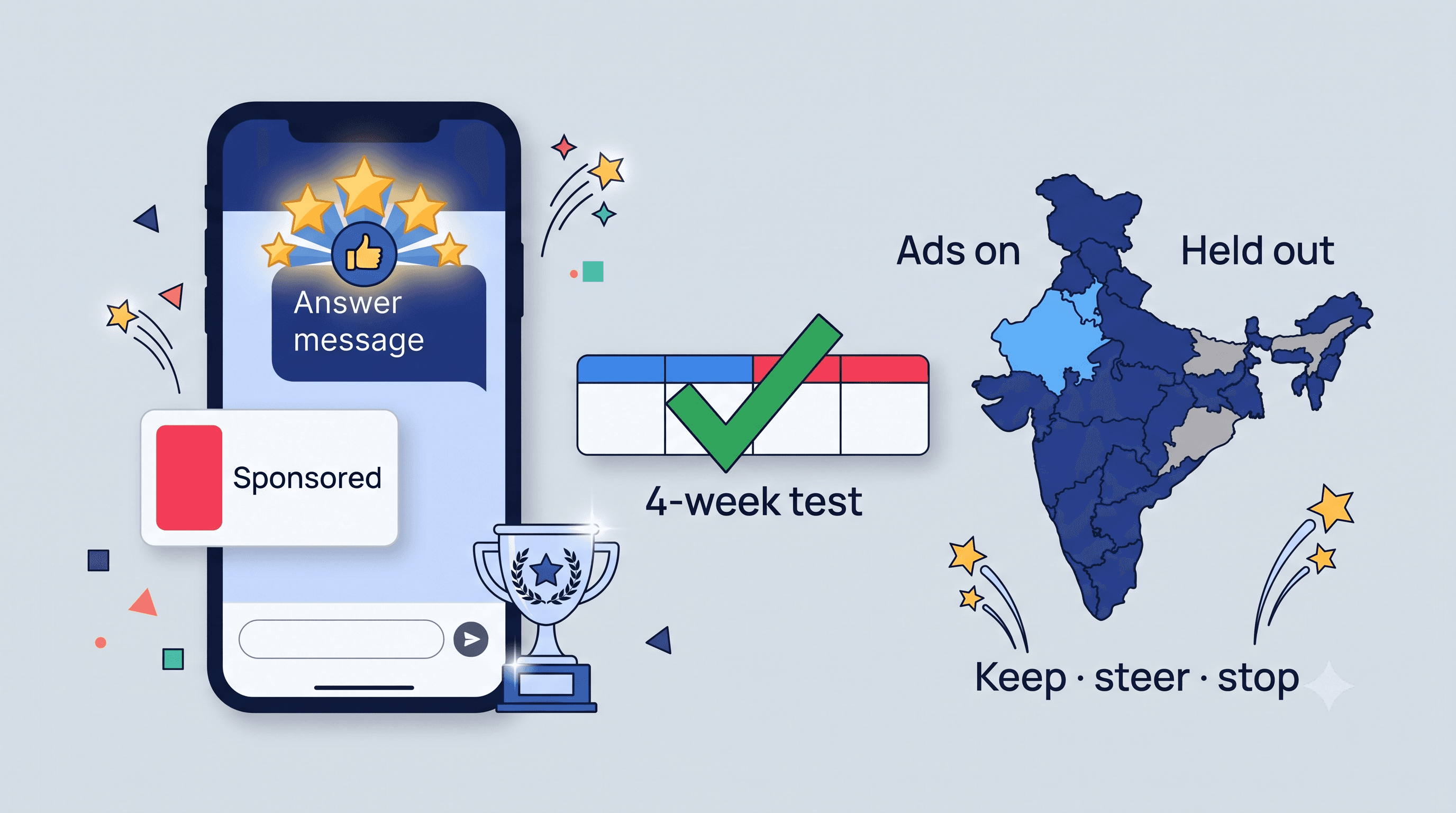
Google is testing a Flipkart-branded "Buy" button inside AI Mode and Gemini in India. It covers some users and a small selection of Flipkart products, including phones, electronics and accessories. No brand can opt in, and Google's own checkout for other merchants isn't open to Indian sellers.

· 8 min read
Google is testing a Flipkart-branded "Buy" button inside AI Mode and Gemini in India. It covers some users and a small selection of Flipkart products, including phones, electronics and accessories. No brand can opt in, and Google's own checkout for other merchants isn't open to Indian sellers.
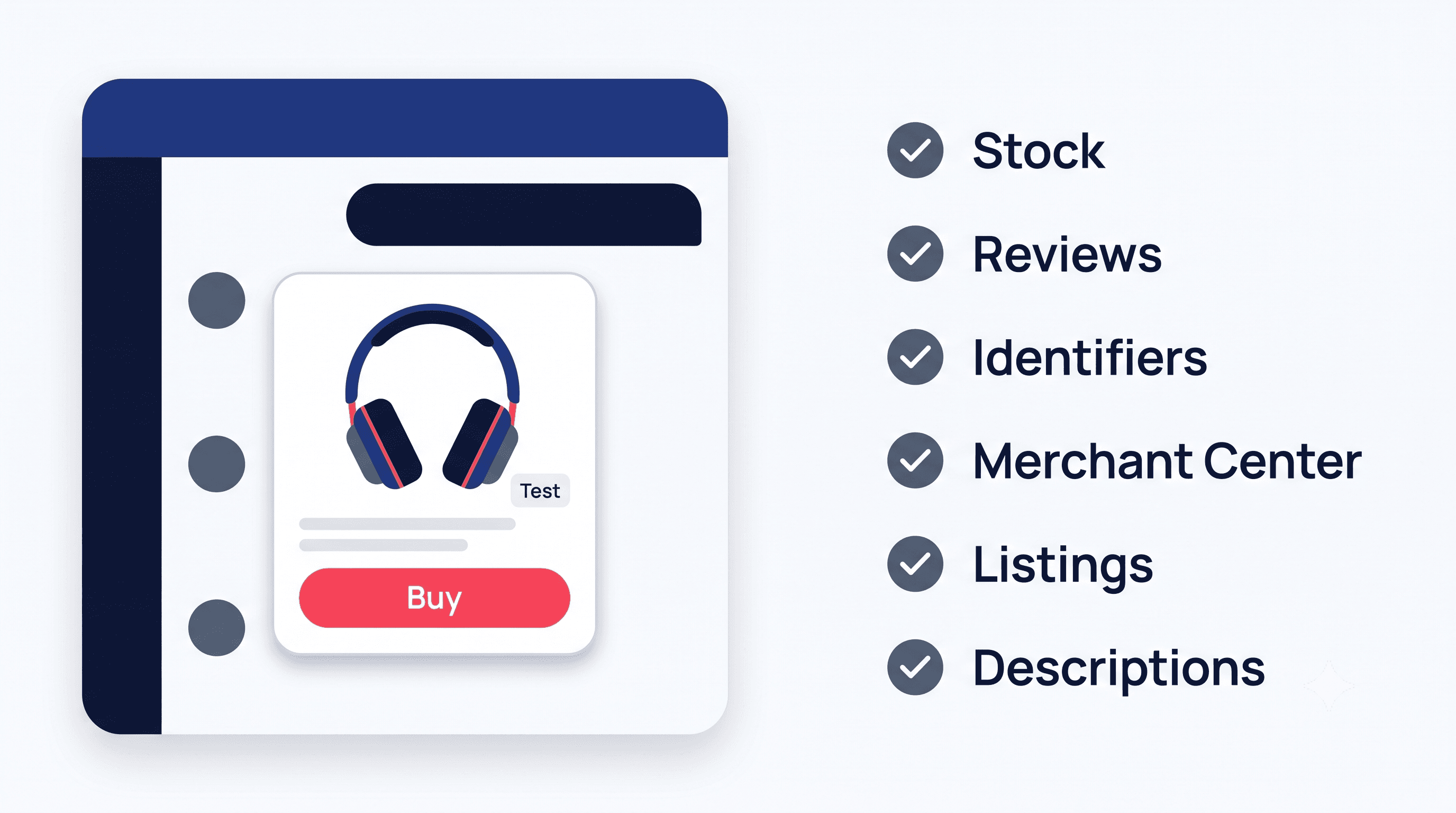
So treat the test as a signal. Whether your products show up in Google AI Mode shopping, and one day sell there, depends on product data Google already takes from you. That means real stock, correct identifiers, a working Merchant Center feed and live marketplace listings.
As of 28 September 2026: the test is limited, and Google has told TechCrunch only that it is "always testing".
AI Mode is Google Search's conversational mode. Google's documentation gives your products two routes into it: a Merchant Center feed and product pages it crawls from your store.
What exactly is Google testing in India?
Seen by TechCrunch: the button opens a Flipkart-branded checkout without leaving Gemini or AI Mode. It covers Flipkart listings only (TechCrunch, 26 Sep 2026).
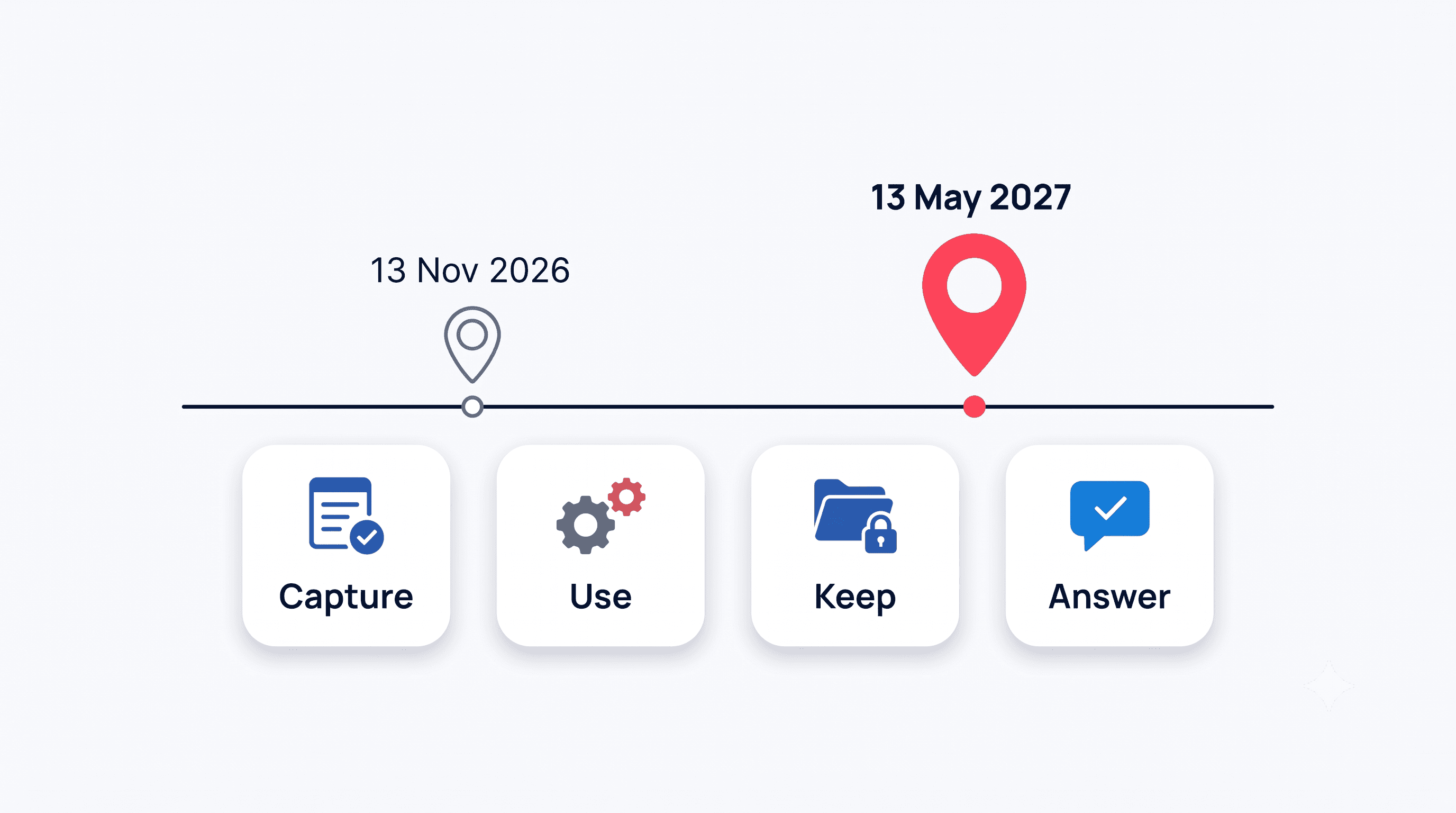
One unnamed source: a wider rollout "later in October, ahead of India's festive shopping season" (TechCrunch).
Stated by Google: Flipkart is partnering with Google "to offer this agentic experience to Indian shoppers" (Think with Google's India recap, Sep 2026).
Unknown: fees or commission, returns and refunds, and whether other marketplaces get the same button (MediaNama, 28 Sep 2026).
Can my brand get a Buy button in AI Mode today?
No, and there is nothing to apply for. Google's help page on its own direct-purchase checkout says it "only applies to products with eligibility in the United States, Canada, and Australia".
If you sell on Flipkart, any button would sit on Flipkart's listing and open Flipkart's checkout, not yours.
By where your product sits:
Your own site (Merchant Center feed or crawled pages): AI responses "can include product listings" (AI optimisation guide). No Buy button: Google's checkout isn't open in India (checkout help).
Flipkart listings: shown, with a Buy button only in the test (TechCrunch).
Amazon listings: seen alongside Flipkart, with no Buy button in the test TechCrunch saw (TechCrunch).
Your Search, Shopping and Performance Max ads: can show in AI Overviews in English; in AI Mode, unconfirmed for India (Google Ads Help).
Google's India recap tells brands to "Reach shoppers with ads directly inside AI Mode", but its Ads Help doesn't cover AI Mode; confirm India availability with your Google rep.
What does Google AI Mode shopping actually read?
The catalogue. AI Mode draws on Google's Shopping Graph, and its answers show details "like price, reviews and inventory info" (Google India blog, 7 Apr 2026).
Free listings. They can appear on Search, Gemini and the Shopping tab (Merchant Center Help on free listings).
No extra requirements. Google says there are "no additional requirements to appear in AI Overviews or AI Mode" (Search Central on AI features). If a vendor says AI Mode needs a set number of product attributes, ask for the Google page that says so.
The questions. Google says the average AI Mode search is triple the length of a traditional one. Its Indian example: "Dry skin ke liye (for) best sunscreen with SPF 50 under 500 rupees" (Think with Google, June 2026).
What did a real Indian D2C audit find?
In July 2026 I audited The 1970 Shop, a nostalgia-snacks brand selling on Shopify and Amazon (1970 Shop case study). Two findings show the problem:
41% of 59 SKUs out of stock. That bites every surface that shows the product, including AI Mode answers that show inventory.
3,500+ reviews invisible to Google (broken review schema). That costs review stars in classic Google Search. Free listings need a separate fix (check 2).
These figures are from the time of the audit. Revenue scale is withheld at the client's discretion, and the programme is in progress with outcome figures to follow. Read this as a diagnosis, not a result. The fix list put schema, stock, listings and measurement ahead of any increase in ad spend.
Neither problem was about AI. Both were catalogue hygiene, and the catalogue feeds every Google shopping surface, which is why it comes first in any D2C marketing strategy in India.
The AI shelf audit: six checks to run before October's reported rollout
1. Stock truth
Rule: your feed, your site and each marketplace say the same thing about stock. Google's availability rules say feed values "should always match the information on your website". Check your top 20 products in Merchant Center, on your site, Amazon and Flipkart.
2. Reviews Google can match
Rule: fix reviews twice, once for free listings and once for classic Search.
Free listings: Google already shows "aggregate product reviews compiled from multiple sources". With 50 or more reviews, submit a Product Ratings feed at least monthly, with barcode numbers (GTINs). Google says this "may increase the likelihood" your reviews are matched. Ratings typically go live two to four weeks after a successful review (Product Ratings eligibility).
Classic Search: run a product URL through the Rich Results Test, then check the Product snippets and Merchant listings reports in Search Console's Shopping section. Google's self-serving-review limit covers reviews of your business, not of your products (review snippet guide).
3. Real identifiers
Rule: real barcode numbers, or brand plus manufacturer part number, never an invented one. In India, barcodes are issued by GS1 India. Without one, Google asks for brand and part number instead. Its identifier rules say "Don't make up, guess, or include values from similar products". Your internal stock code is not a barcode number.
4. Merchant Center basics for India
Rule: free listings on, shipping set, returns shown. Google requires shipping settings or costs for free listings in India. A return policy lets Google "show information about returns next to your products" (free listings help).
5. Marketplace listings live and consistent
Rule: every Amazon and Flipkart listing you care about is active and matches your site on pack size, price and name. TechCrunch saw both in Google's AI results, so a dead or mismatched listing can reach a buyer.
6. Descriptions that answer the buyer's question
Rule: write titles and descriptions around what buyers ask: use case, size, price band. For Shopping ads in AI Overviews, Google advises updating "product descriptions, pricing and promotion offers, shipping and returns, and other product attributes" (ads in AI Overviews). Rewriting hundreds of products? See line item 4, catalogue content at scale, in the ₹10 lakh AI budget for D2C brands.
Questions buyers keep asking can also go in as optional conversational attributes, which Google says "help customers discover information about your products across AI-driven surfaces, like AI Mode in Search" (Merchant Center Help).
Then measure it. Once a month, open Merchant Center's AI performance report (Analytics, then Products, then AI performance). Google says it shows your share of voice against competitors for shopping queries on AI Mode and AI Overviews. It covers English-language queries for accounts in India, and organic traffic such as free listings, not ads (Merchant Center Help on AI performance insights).
Because it covers English only, also ask AI Mode ten questions your buyers type in Hinglish, with a ₹ budget. Ask each more than once and track how often you appear, not your position.
Want these checks run for you? They sit inside an SEO strategy engagement.
Should you wait for in-chat checkout, or build for it now?
The counter-argument: checkout inside AI is where shopping is heading, so integrate early and win the channel first.
In March 2026 OpenAI confirmed it was ending Instant Checkout, its in-chat buying tool (CNBC, 20 Mar 2026). Forrester's Emily Pfeiffer said roughly 30 Shopify merchants were available through it. Walmart said conversion rates were three times lower for products sold directly in ChatGPT than for those that sent shoppers to its site, as Wired first reported. Pfeiffer also said scraping meant stock, delivery timing and shipping costs could be inaccurate or out of date.
So the no-regret move is data, not checkout. The six checks pay off on every surface that exists today.
Where Google's checkout is offered, it isn't a feed switch. It's for "select merchants" who submit an interest form, complete a technical implementation and set up a Google Pay & Wallet Console account (Google's checkout help). A clean feed is the prerequisite, not the whole job, if AI agents end up buying on a shopper's behalf.
What to watch if the rollout lands in October
Scope. Does the Buy button move beyond phones and electronics, or onto third-party brands' Flipkart listings?
Google's country list. Does the checkout help page add India?
Other marketplaces. Do Amazon or others get the same button?
What to do this week
Compare stock for your top 20 products across Merchant Center, your site, Amazon and Flipkart.
Turn on free listings and set India shipping and returns.
Fill real barcode numbers; if none, brand plus part number.
Start a Product Ratings feed if you have 50 or more reviews, and fix review markup that fails the Rich Results Test.
Ask AI Mode five buyer questions in English and Hinglish (build to ten a month), and log who shows up. Once free listings are live, check the AI performance report.
Want a second pair of eyes on your AI shelf audit? Book a call and we'll walk through it together.
- founder
- D2C
- Ecommerce
- Google AI Mode
- Marketing
Written by Siddhesh Joglekar
Fractional CMO and AI marketing consultant Siddhesh Joglekar helps founders and growth-stage teams build marketing engines that compound.